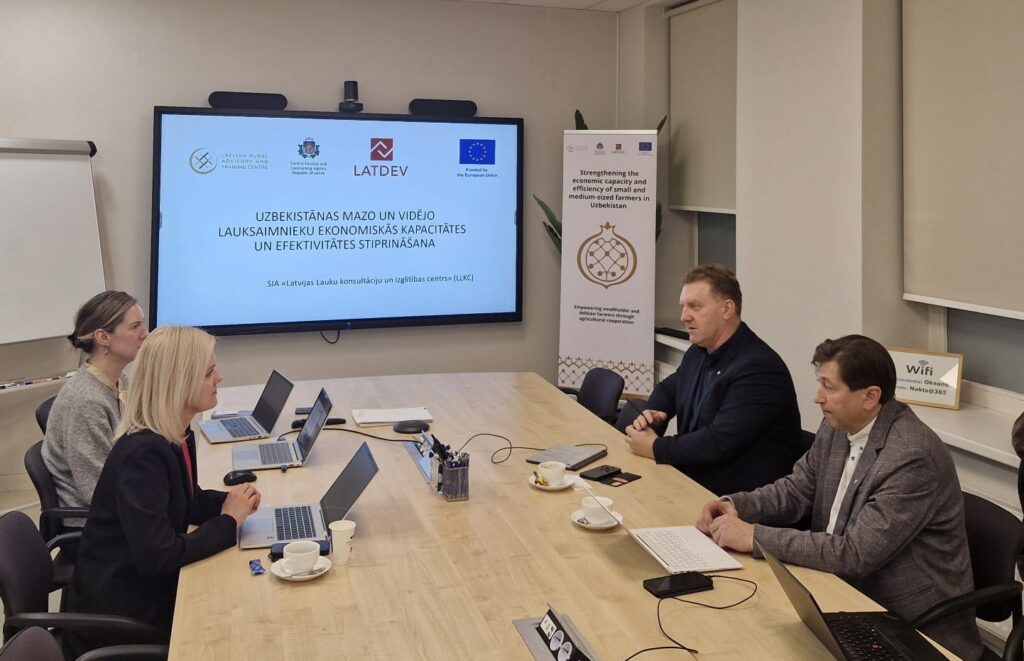
Projekts risina lauksaimniecības sadrumstalotības problēmu Uzbekistānā, kur lielu daļu nozares veido mazās un dehkānu saimniecības ar ierobežotu piekļuvi tirgiem, finansējumam un modernām sadarbības formām. Projekta pieeja balstās uz kooperācijas attīstību kā galveno instrumentu šo saimniecību ekonomiskās kapacitātes stiprināšanai.
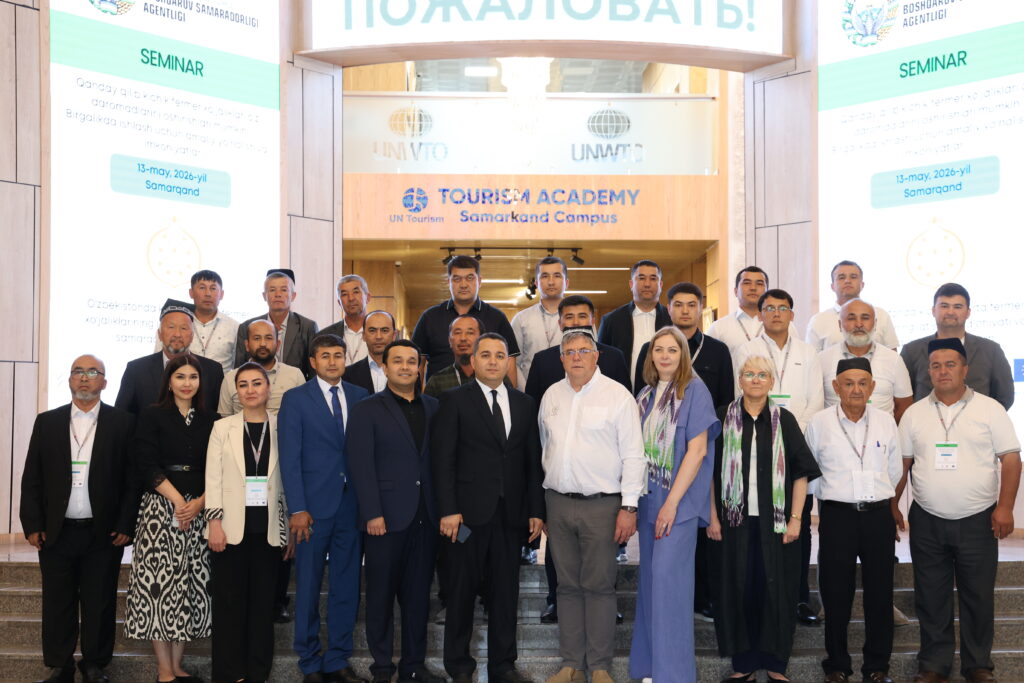
Projekta ietvaros tiek veikta situācijas analīze un identificēti perspektīvākie reģioni un iniciatīvas. Tiek atbalstīta lauksaimnieku grupu veidošanās un trīs pilotkooperatīvu izveide, nodrošinot apmācības, mentoringu, mācību vizītes un praktisku atbalstu biznesa attīstībai. Papildus tiek piešķirts mērķtiecīgs investīciju atbalsts kooperatīvu darbības uzsākšanai un attīstībai.
Projekta rezultātā tiek stiprinātas lauksaimnieku sadarbības prasmes un ekonomiskā kapacitāte, kā arī izstrādāti praktiski rīki un ieteikumi turpmākai kooperācijas attīstībai un politikas pilnveidei Uzbekistānā.
___________________
The project addresses the issue of agricultural fragmentation in Uzbekistan, where a significant share of the sector consists of small and dehkan farms with limited access to markets, finance, and modern forms of cooperation. The project approach is based on developing cooperation as a key tool for strengthening the economic capacity of these farms.
Within the project, a situational analysis is conducted to identify the most promising regions and initiatives. The formation of farmer groups and the establishment of three pilot cooperatives are supported through training, mentoring, study visits, and practical assistance for business development. In addition, targeted investment support is provided to enable the launch and development of cooperatives.
As a result, the project strengthens farmers’ cooperation skills and economic capacity and develops practical tools and recommendations for further cooperative development and policy improvement in Uzbekistan.